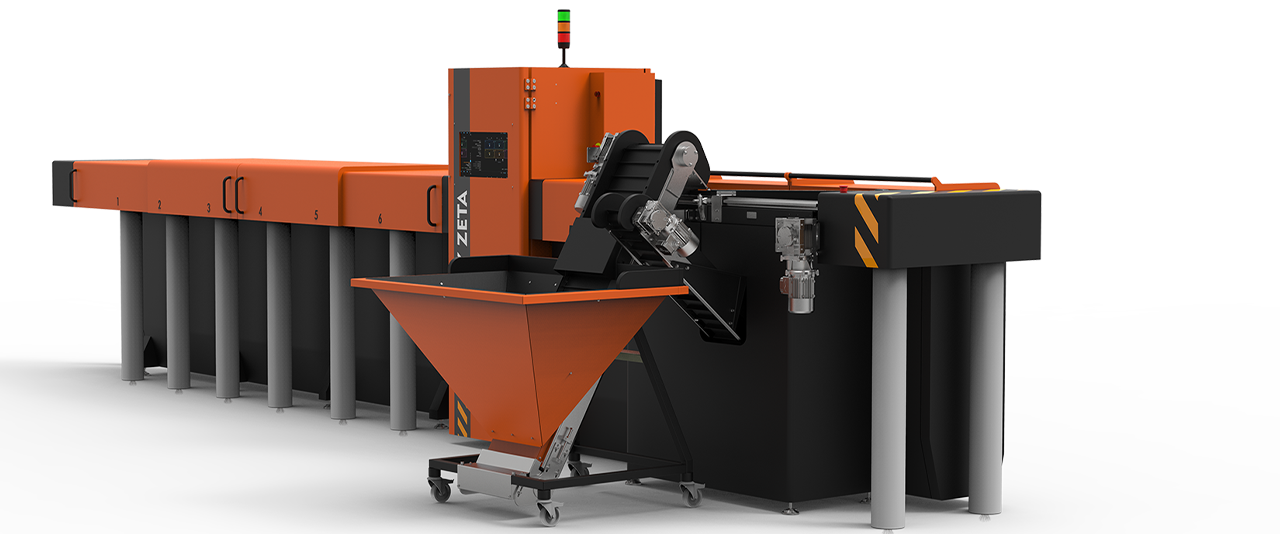
The rapid growth and diversification of battery waste is creating a more complex challenge for recycling facilities. Mixed streams may contain batteries with different chemistries, formats, conditions, and material value, while reliable classification directly affects downstream purity, processing efficiency, and the value of recovered materials.
BATTERAY™ ZETA Series addresses this challenge through AI-powered X-ray battery sorting focused on what is inside the cell rather than what can be read from its surface. The series is built around two specialized solutions: BATTERAY™ ZETA for multi-chemistry sorting of mixed loose batteries and BATTERAY™ ZETA Li for deeper classification of lithium-relevant fractions.
BATTERAY™ ZETA applies proven X-ray recognition and intelligent classification to create defined battery fractions for downstream recycling, including advanced processing of nickel-based groups. BATTERAY™ ZETA Li extends this approach with lithium-specific intelligence for distinguishing lithium chemistries where validated for the target stream and recycling requirement.
Together, the ZETA Series gives recyclers a more controlled way to transform heterogeneous battery inputs into cleaner, better-defined material streams. The technology also forms an important sorting core within the broader modular BATTERAY Platform™ concept, where dedicated sorting can become part of a larger battery preprocessing route as operational requirements grow.
Read more from linevsystems.com
Datasheet
BATTERAY™ ZETA Series is a family of AI-powered X-ray battery sorting systems developed for recycling facilities that require reliable chemistry identification beyond surface appearance. The technology analyzes internal battery features and applies intelligent classification to mixed battery streams where labels, markings, or external condition may be unreliable.
The series is built around two specialized systems with different sorting objectives. BATTERAY™ ZETA performs multi-chemistry sorting of mixed loose batteries into defined output fractions, while BATTERAY™ ZETA Li extends the same X-ray and AI approach into deeper classification of lithium-relevant battery streams.
Key Advantages
- X-ray and AI classification based on internal battery characteristics
- Reduced dependence on readable labels, markings, and surface condition
- Cleaner, better-defined output fractions for downstream recycling
- Dedicated lithium-specific classification with BATTERAY™ ZETA Li
ZETA Series
| System | Core Role | Processing Focus |
|---|---|---|
| BATTERAY™ ZETA | Multi-chemistry X-ray / AI sorting of loose batteries | Defined chemistry fractions for downstream battery recycling |
| BATTERAY™ ZETA Li | Lithium-specific X-ray / AI classification | Deeper separation of lithium-relevant fractions by chemistry and material signature |
BATTERAY™ ZETA addresses the core task of turning heterogeneous loose battery streams into controlled chemistry fractions. It supports automatic sorting of compact household and consumer batteries while reducing operator subjectivity and dependence on external battery identification.
BATTERAY™ ZETA Li takes this approach further where lithium batteries require more detailed classification. By analyzing lithium-relevant fractions beyond a single broad Li-Ion category, it helps recyclers create cleaner feedstock, reduce downstream uncertainty, and improve material value for lithium recycling processes.
Clues
- BATTERAY™ ZETA is the proven X-ray / AI sorting system for mixed loose batteries
- Recognition is based on internal battery features, reducing dependence on labels and surface condition
- Advanced nickel-group processing supports automatic Ni-Cd / Ni-MH sub-sorting where required
- BATTERAY™ ZETA Li extends the series into lithium-specific classification using deeper X-ray and AI analysis
Overview
BATTERAY™ ZETA is designed for the central sorting task in battery recycling: converting mixed loose battery streams into defined chemistry fractions for downstream processing. The system uses X-ray-based recognition of internal features together with AI classification to reduce dependence on readable labels, visual condition, and operator judgment.
The technology is particularly valuable when the incoming stream contains dirty, corroded, damaged, or visually similar batteries. Within defined operating limits, BATTERAY™ ZETA can continue to classify batteries where surface-based identification becomes unreliable, helping recyclers create cleaner and more predictable output fractions.
Advanced nickel-group processing further improves separation of Ni-Cd and Ni-MH batteries where this distinction is required. This helps reduce cross-contamination between nickel-based fractions and supports more controlled downstream recycling routes.
BATTERAY™ ZETA Li extends the same sorting logic into lithium-specific classification. Instead of treating lithium batteries as one broad group, the system analyzes lithium-relevant fractions using dual-energy X-ray data, effective atomic number response, material signature features, internal geometry, and AI-based models.
Where validated for the target stream and customer requirement, BATTERAY™ ZETA Li can support deeper classification of lithium chemistries including LFP, NMC, LCO, LMO, and NCA, while also separating mixed, unknown, and low-confidence cases for controlled handling.
ZETA Series Comparison
| Parameter | BATTERAY™ ZETA | BATTERAY™ ZETA Li |
|---|---|---|
| Primary task | Multi-chemistry sorting of mixed loose batteries | Deeper classification of lithium-relevant battery fractions |
| Recognition approach | X-ray-based internal feature analysis with AI classification | Dual-energy X-ray analysis, material signatures, internal geometry, and AI models |
| Typical output | Defined chemistry fractions for downstream battery recycling | Cleaner lithium-specific fractions for lithium recycling and black mass preparation |
| Nickel-group processing | Automatic Ni-Cd / Ni-MH sub-sorting where required | Not the primary application |
| Lithium classification | Identification and separation of lithium-relevant groups within the standard sorting structure | Deeper chemistry classification where validated for the target stream |
| Lithium chemistries | Broad lithium-related sorting groups | LFP, NMC, LCO, LMO, NCA, Mixed, Unknown, Low Confidence |
| Best application | Mixed household and consumer battery streams | Lithium-focused recycling streams requiring more detailed chemistry separation |
Together, BATTERAY™ ZETA and BATTERAY™ ZETA Li provide two complementary levels of battery classification: broad multi-chemistry sorting for mixed loose batteries and deeper lithium-specific intelligence where the downstream process requires more precise feedstock control.
Supported Classification Groups
BATTERAY™ ZETA
- Zinc-Carbon (ZnC)
- Alkaline (Alk)
- Nickel-Cadmium (NiCd)
- Nickel-Metal Hydride (NiMH)
- Lithium Primary (Li-Primary)
- Lithium Manganese Dioxide (Li-MnO₂)
- Lithium Thionyl Chloride (Li-SOCl₂)
- Lithium Iron Disulfide (Li-FeS₂)
- Lithium-Ion (Li-Ion)
BATTERAY™ ZETA Li
- Lithium Iron Phosphate (LFP / IFR)
- Nickel Manganese Cobalt Oxide (NMC / INR)
- Lithium Cobalt Oxide (LCO / ICR)
- Lithium Manganese Oxide (LMO / IMR)
- Nickel Cobalt Aluminium Oxide (NCA / NCR)
- Mixed
- Unknown
- Low Confidence
Classification Structure
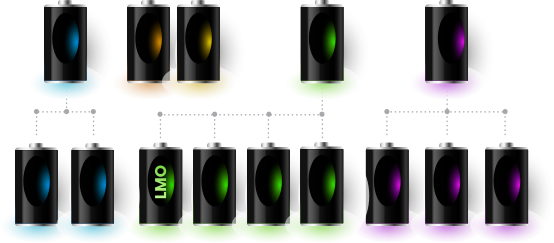
Sort map
| ZnC | Alk | NiCd/MH | NiCd | NiMH | Li-Pr | SOCl₂ | MnO₂ | FeS₂ | Li-Ion | |
| AAAA (LR61) | + | + | ||||||||
| AAA (R03) | + | + | + | + | + | + | + | + | + | |
| AA (LR6) | + | + | + | + | + | + | + | + | + | + |
| C (LR14) | + | + | + | + | + | + | ||||
| D (LR20) | + | + | + | + | + | + | + | + | ||
| 6F22 (9V) | + | + | + | + | + | + | ||||
| A23 | + | |||||||||
| A27 | + | |||||||||
| CR2 | + | + | + | |||||||
| 16340 (CR123) | + | + | + | + | ||||||
| 14250 (1/2 AA) | + | + | + | |||||||
| 18650 | + | |||||||||
| 21700 | + |
ZETA Li Classification
BATTERAY™ ZETA Li extends the standard Li-Ion sorting group into deeper lithium-specific classification. Using dual-energy X-ray data, effective atomic number response, material signature features, internal geometry, and AI models, the system can distinguish lithium-relevant chemistry groups where validated for the target stream and application.
- Lithium Iron Phosphate (LFP / IFR)
- Nickel Manganese Cobalt Oxide (NMC / INR)
- Lithium Cobalt Oxide (LCO / ICR)
- Lithium Manganese Oxide (LMO / IMR)
- Nickel Cobalt Aluminium Oxide (NCA / NCR)
- Mixed
- Unknown
- Low Confidence
ZETA Li classification is applied according to the validated input stream and required downstream process. This deeper chemistry separation helps prepare cleaner and more predictable lithium feedstock for recycling and black mass production.
Key features 

AI-Driven Battery Recognition
BATTERAY™ ZETA Series uses X-ray data and AI-based models to classify batteries by internal structure, material characteristics, and chemistry rather than relying primarily on labels or external appearance.

Internal-Structure Battery Identification
X-ray inspection allows ZETA to recognize batteries even when labels are unreadable, surfaces are corroded, or visually similar cells cannot be reliably distinguished by conventional optical or manual sorting.

Proven Industrial Sorting Core
BATTERAY™ ZETA provides the proven loose-battery sorting core used within the broader BATTERAY Platform™ concept, while also operating as a dedicated battery sorting system for recycling facilities.

Advanced Ni-Cd / Ni-MH Separation
BATTERAY™ ZETA supports advanced nickel-group processing with automatic Ni-Cd / Ni-MH sub-sorting where required, helping recyclers reduce cross-contamination and create cleaner downstream fractions.

Lithium-Specific Classification
BATTERAY™ ZETA Li extends the series into deeper lithium classification using dual-energy X-ray data, material signatures, internal geometry, and AI models to distinguish lithium-relevant chemistry groups where

Cleaner Defined Output Fractions
The ZETA Series converts heterogeneous battery streams into better-defined chemistry fractions, reducing downstream uncertainty and supporting more predictable recycling, material recovery, and black mass preparation.
AI-Driven Battery Recognition
BATTERAY™ ZETA Series uses X-ray data and AI-based models to classify batteries by internal structure, material characteristics, and chemistry rather than relying primarily on labels or external appearance.
Internal-Structure Battery Identification
X-ray inspection allows ZETA to recognize batteries even when labels are unreadable, surfaces are corroded, or visually similar cells cannot be reliably distinguished by conventional optical or manual sorting.
Proven Industrial Sorting Core
BATTERAY™ ZETA provides the proven loose-battery sorting core used within the broader BATTERAY Platform™ concept, while also operating as a dedicated battery sorting system for recycling facilities.
Advanced Ni-Cd / Ni-MH Separation
BATTERAY™ ZETA supports advanced nickel-group processing with automatic Ni-Cd / Ni-MH sub-sorting where required, helping recyclers reduce cross-contamination and create cleaner downstream fractions.
Lithium-Specific Classification
BATTERAY™ ZETA Li extends the series into deeper lithium classification using dual-energy X-ray data, material signatures, internal geometry, and AI models to distinguish lithium-relevant chemistry groups where
Cleaner Defined Output Fractions
The ZETA Series converts heterogeneous battery streams into better-defined chemistry fractions, reducing downstream uncertainty and supporting more predictable recycling, material recovery, and black mass preparation.
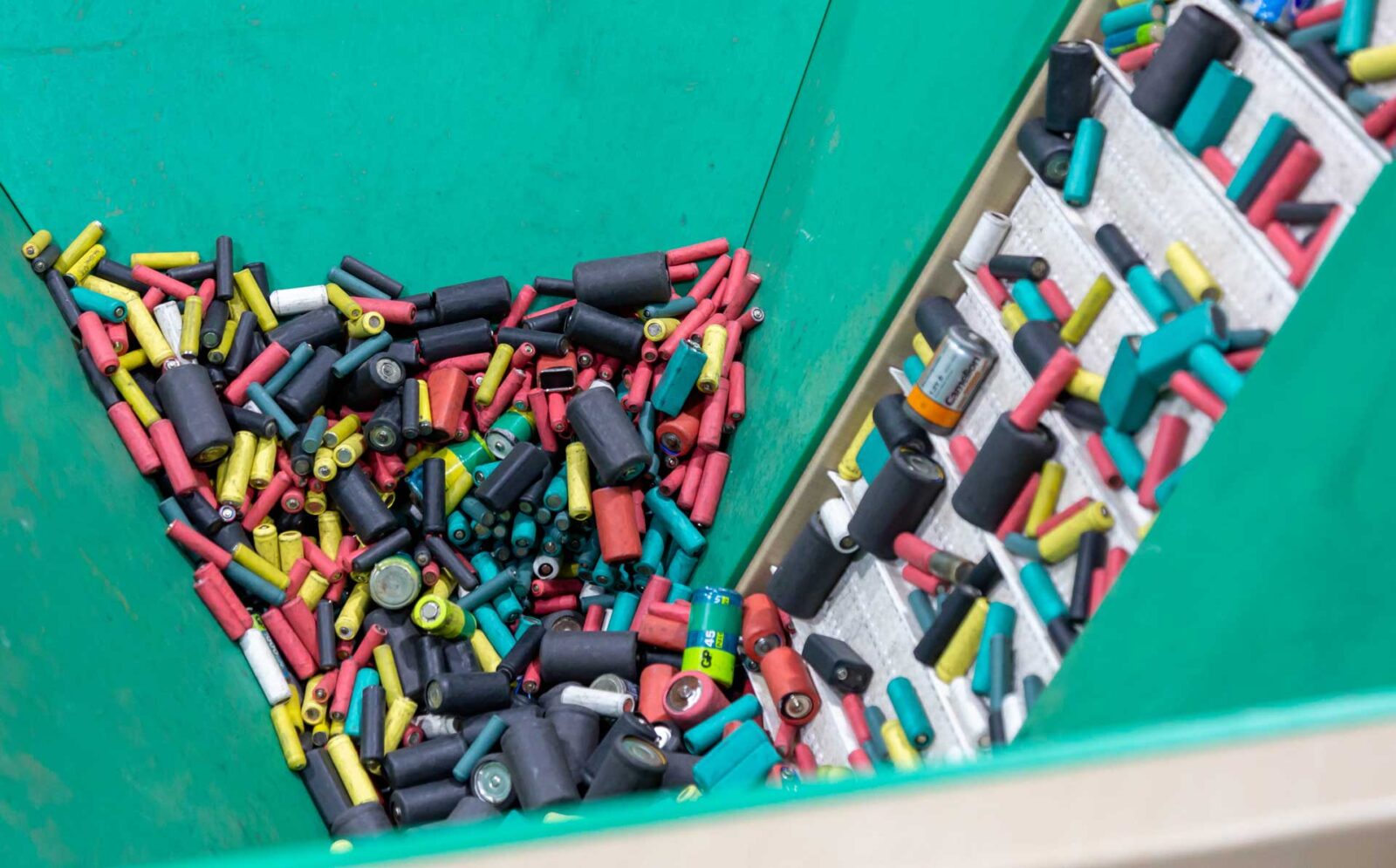
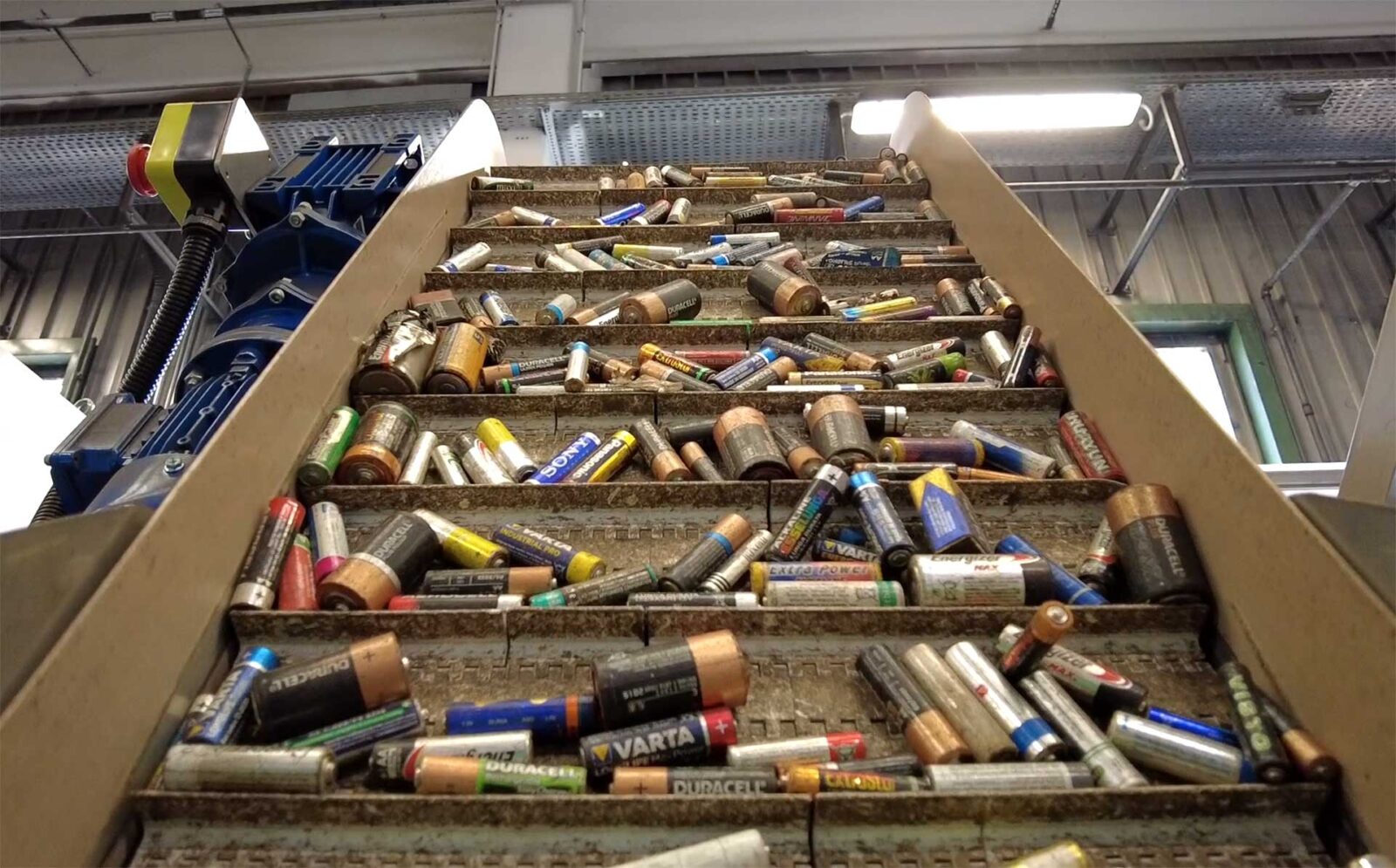





More reliable chemistry classification reduces cross-contamination between battery groups, creating cleaner downstream feedstock and helping recyclers meet increasingly strict quality and regulatory requirements.

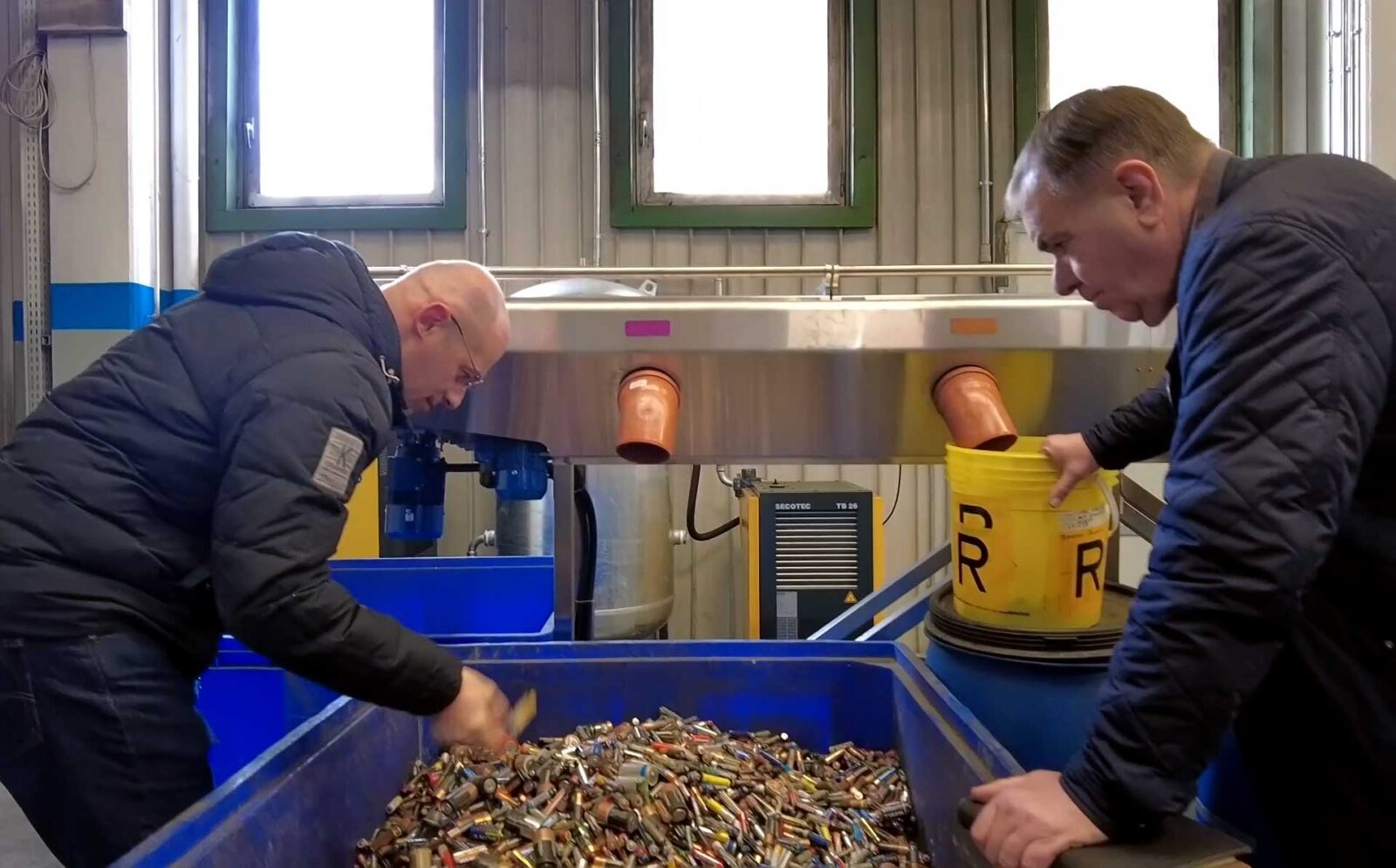
Automated high-speed classification allows more batteries to be processed per shift, reduces sorting bottlenecks, and lowers the processing cost per kilogram as material volumes increase.

AI-powered recognition replaces routine manual chemistry identification with a controlled automated process, reducing operator dependency and making sorting performance more consistent across mixed battery streams.
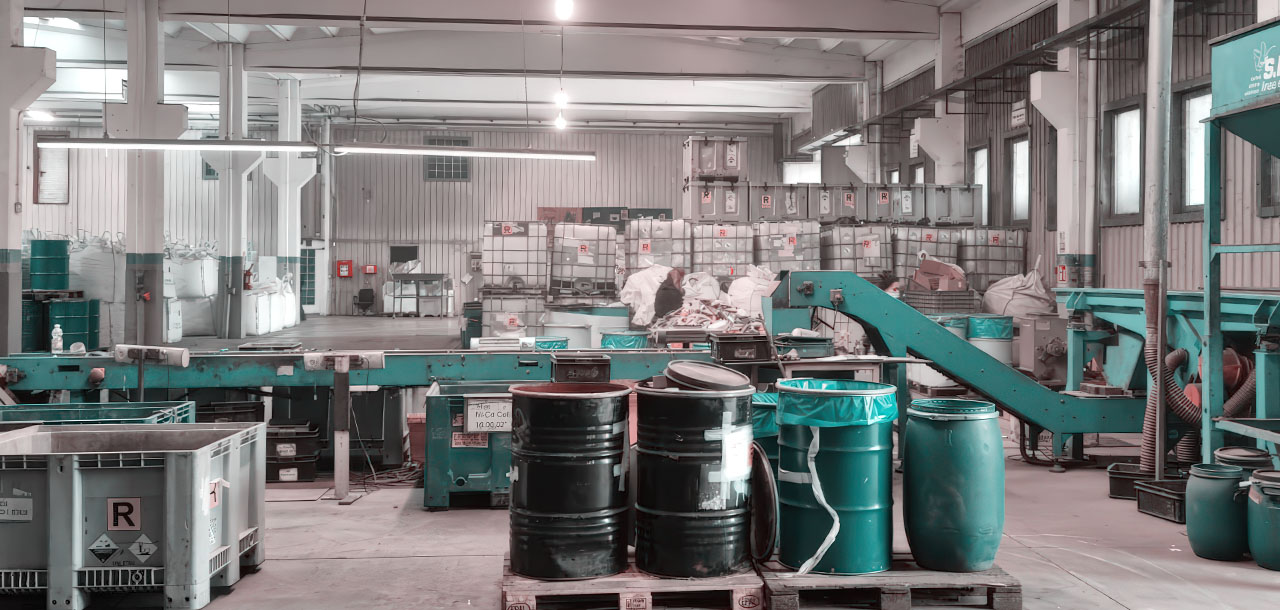
Proven BATTERAY™ Technology Behind the Next Generation of Sorting
BATTERAY™ technology began with a practical challenge in battery recycling: identifying the true chemistry of portable batteries when labels, markings, and external appearance cannot be trusted. The solution was to look inside the battery using X-ray imaging and classify it by internal structural and radiographic features.
Since 2018, this approach has evolved from an innovative sorting concept into proven industrial technology used in real recycling operations. BATTERAY™ systems have demonstrated that X-ray and AI-based recognition can process unmarked, corroded, damaged, counterfeit, and visually similar batteries while creating cleaner chemistry fractions for downstream recycling.
This accumulated field experience, recognition data, and application knowledge provides the technological base for the continued development of the BATTERAY™ ZETA Series.
Proven Technology Background
- X-ray identification based on internal battery structure and radiographic features
- AI-supported recognition developed for complex mixed battery streams
- Industrial experience with unmarked, corroded, damaged, and visually similar batteries
- Validated sorting programs covering common portable battery formats and chemistries
- Real-world operating experience in industrial battery recycling facilities
Extending Battery Classification with ZETA
BATTERAY™ ZETA develops this proven sorting technology for increasingly complex recycling requirements. Advanced X-ray analysis, AI classification, expanded recognition capabilities, and improved processing of difficult chemistry groups allow mixed loose batteries to be converted into more precisely defined output fractions.
BATTERAY™ ZETA Li takes the next technological step within the series by applying deeper analysis to lithium-relevant streams. Dual-energy X-ray data, material signatures, internal geometry, and AI models support more detailed classification of lithium chemistries, including LFP, NMC, LCO, LMO, and NCA where validated for the target stream.
The result is an evolving family of battery sorting technologies built around the same fundamental principle: understand what is inside the battery first, then create the material fraction required by the downstream recycling process.
Explore the original BATTERAY™ X-ray battery sorting system, its industrial applications, technical specifications, and customer installations at batterysorting.com.
Product Videos
Technical data
BATTERAY™ ZETA
| System type | AI-powered X-ray battery sorting system |
| Primary application | Multi-chemistry sorting of mixed loose batteries |
| Recognition technology | X-ray inspection with AI-based classification |
| Loading hopper capacity, up to | 350 kg |
| Loading hopper volume | 250 L |
| Nominal throughput | up to 350–400 kg/hour |
| Maximum throughput | up to 430 kg/hour, material-dependent |
| Sorting cycle speed | up to 23,000 batteries/hour |
| Sorting groups per session | 6 |
| Sorting purity | 99.5% Alk / ZnC; over 98% Ni-Cd / NiMH; over 95% other supported groups |
| Air pressure | 10 bar ±10%, ≥500 SLPM |
| Power supply | 220–240 VAC, 50/60 Hz, 4 kVA |
| Dimensions | 8960 x 2690 x 2400 mm |
| Layout | 15000 x 8000 mm |
| Weight | 2650 kg |
BATTERAY™ ZETA Li
| System type | Lithium-specific X-ray / AI classification system |
| Primary application | Deeper classification of lithium-relevant battery fractions |
| Recognition technology | Dual-energy X-ray analysis with AI-based models |
| Analysis features | Effective atomic number response, material signatures, and internal geometry |
| Classification focus | Lithium battery chemistry and material-specific separation |
| Supported lithium classes | LFP / IFR, NMC / INR, LCO / ICR, LMO / IMR, NCA / NCR |
| Uncertain classifications | Mixed, Unknown, Low Confidence |
| Input requirement | Lithium-relevant fraction prepared for dedicated classification |
| Validation | Classification applied where validated for the target stream and customer requirement |
| Output purpose | Cleaner lithium-relevant fractions for downstream recycling and black mass production |
BATTERAY™ ZETA
| System type | AI-powered X-ray battery sorting system |
| Primary application | Multi-chemistry sorting of mixed loose batteries |
| Recognition technology | X-ray inspection with AI-based classification |
| Loading hopper capacity, up to | 772 lb |
| Loading hopper volume | 66 gal |
| Nominal throughput | up to 772–882 lb/hour |
| Maximum throughput | up to 948 lb/hour, material-dependent |
| Sorting cycle speed | up to 23,000 batteries/hour |
| Sorting groups per session | 6 |
| Sorting purity | 99.5% Alk / ZnC; over 98% Ni-Cd / NiMH; over 95% other supported groups |
| Air pressure | 145 psi ±10%, ≥17.7 SCFM |
| Power supply | 220–240 VAC, 50/60 Hz, 4 kVA |
| Dimensions | 29.4 x 8.8 x 7.9 ft |
| Layout | 49.2 x 26.2 ft |
| Weight | 5,842 lb |
BATTERAY™ ZETA Li
| System type | Lithium-specific X-ray / AI classification system |
| Primary application | Deeper classification of lithium-relevant battery fractions |
| Recognition technology | Dual-energy X-ray analysis with AI-based models |
| Analysis features | Effective atomic number response, material signatures, and internal geometry |
| Classification focus | Lithium battery chemistry and material-specific separation |
| Supported lithium classes | LFP / IFR, NMC / INR, LCO / ICR, LMO / IMR, NCA / NCR |
| Uncertain classifications | Mixed, Unknown, Low Confidence |
| Input requirement | Lithium-relevant fraction prepared for dedicated classification |
| Validation | Classification applied where validated for the target stream and customer requirement |
| Output purpose | Cleaner lithium-relevant fractions for downstream recycling and black mass production |
Feedbacks and related links about BATTERAY™
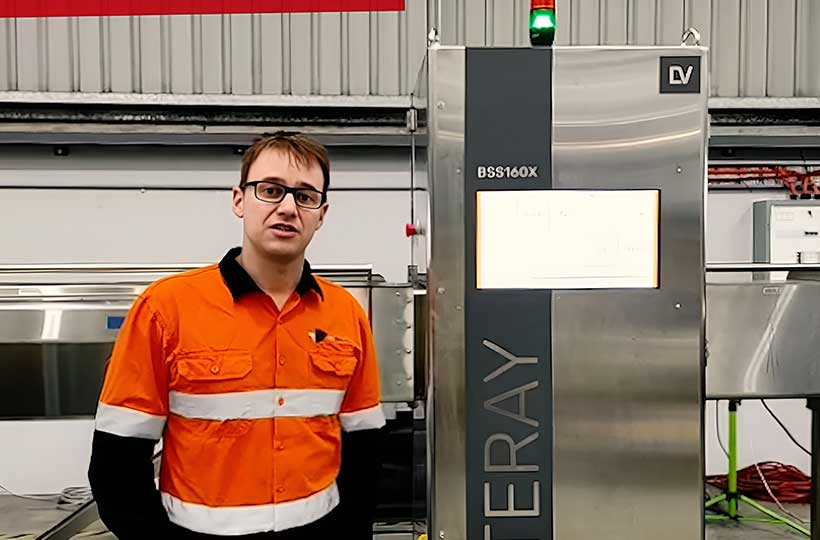
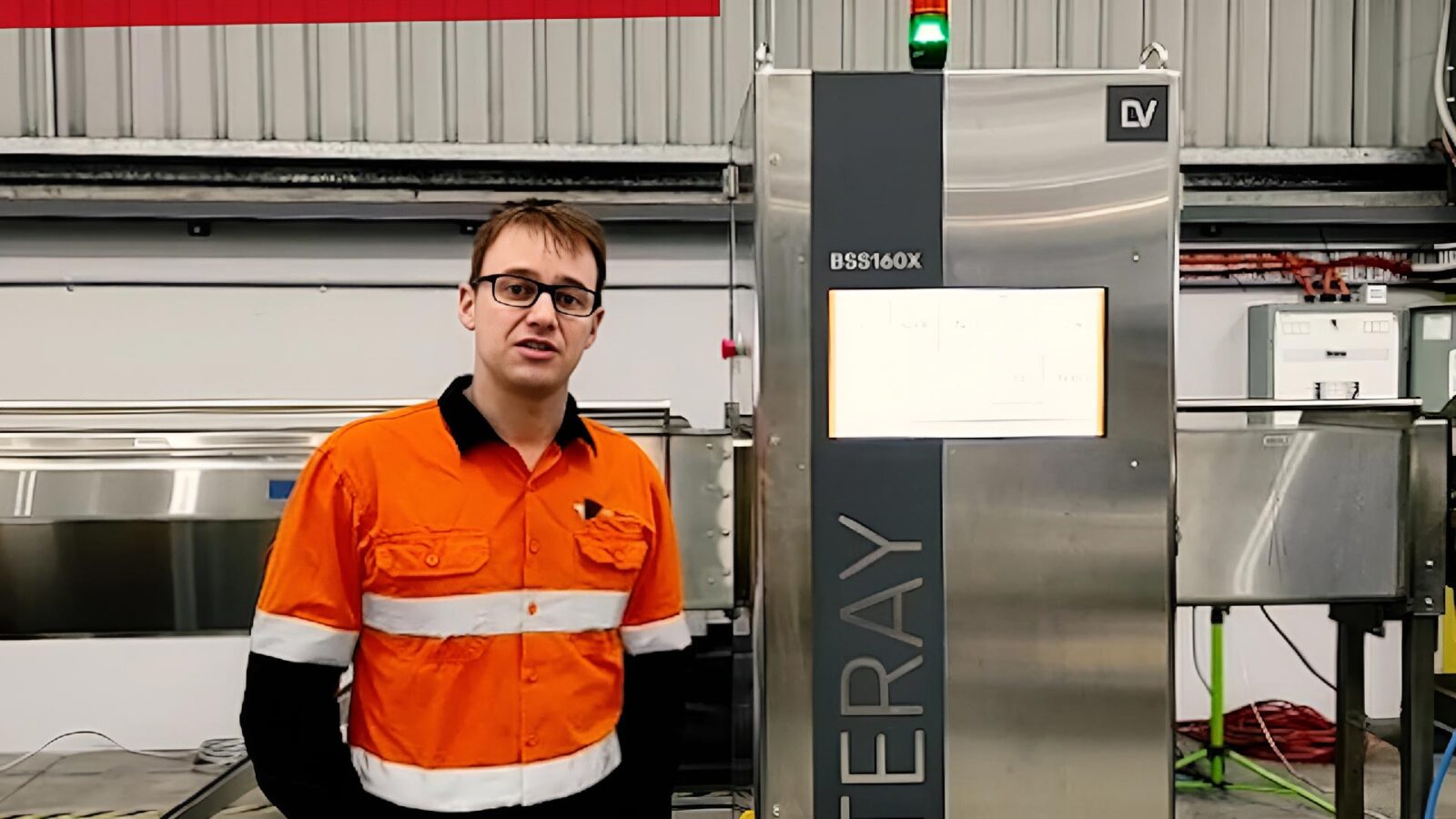
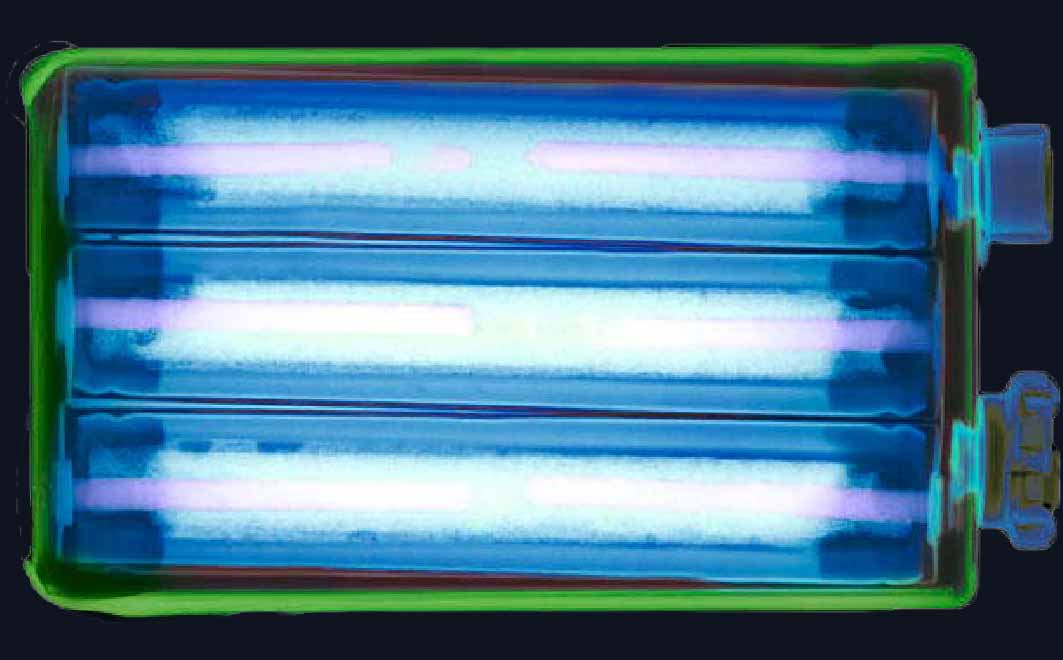
Battery chemistry cannot always be determined reliably from what is visible on the outside. Different chemistries may use similar housings and formats, while labels can be damaged, missing, or misleading. The internal construction of a battery, however, contains structural and material characteristics that can be detected using X-ray imaging.
BATTERAY™ ZETA uses X-ray inspection to capture these internal features and AI-based models to interpret them. Internal geometry, structural arrangement, and density-related characteristics become part of the recognition process, allowing the system to classify batteries beyond the limitations of conventional surface-based identification.
The recognition result is evaluated against the active classification model before the battery is assigned to an output group. Batteries that cannot be identified with the required confidence can be isolated from confirmed fractions, helping prevent uncertain classifications from contaminating the sorted material stream.
BATTERAY™ ZETA Li takes this principle deeper into lithium-specific classification. The system uses dual-energy X-ray data together with effective atomic number response, material signature features, internal geometry, and AI models to distinguish lithium-relevant chemistry groups such as LFP, NMC, LCO, LMO, and NCA where validated for the target stream.
Together, BATTERAY™ ZETA and BATTERAY™ ZETA Li turn X-ray data into actionable sorting decisions: first identifying and separating mixed battery chemistries, then enabling deeper classification where lithium-specific downstream processing requires more precisely defined feedstock.
Event сalendar

The fastest way to hear back from us is completing the contact form below. Our expert team will get back to you as soon as possible.